(800) 527-1670
 Locations



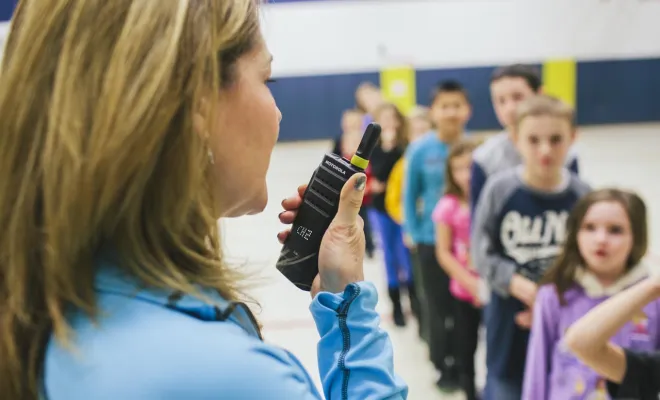
A key element of school campus security is the ability to quickly summon first responders in an emergency. And while calling 9-1-1 works, a direct wireless ...
Enhance communications and safety with cutting-edge voice, security, and data solutions. Our comprehensive selection includes two-way radios, video surveillance systems, and wireless networking solutions that empower administrators, teachers, and staff. These tools provide instant communication, improving response times and operational efficiency across the entire campus—from classrooms, transportation, maintenance and facilities management to sporting events. By integrating these systems, BearCom ensures that staff members can quickly share vital information, making schools safer and more responsive environments.
Safer and Connected Schools
rgba(2,35,59,1)
rgba(255,255,255,1)
Honor Roll Strategies
Keeping all staff informed is essential for fostering a successful educational environment. Beyond classroom activities, our solutions facilitate seamless communication across various aspects of school management—from coordinating bus schedules and overseeing cafeteria operations to supervising recess and extracurricular activities. Effective communication is also crucial for connecting maintenance, custodial, and grounds care teams, ensuring that every part of your institution functions smoothly and cohesively.
Image
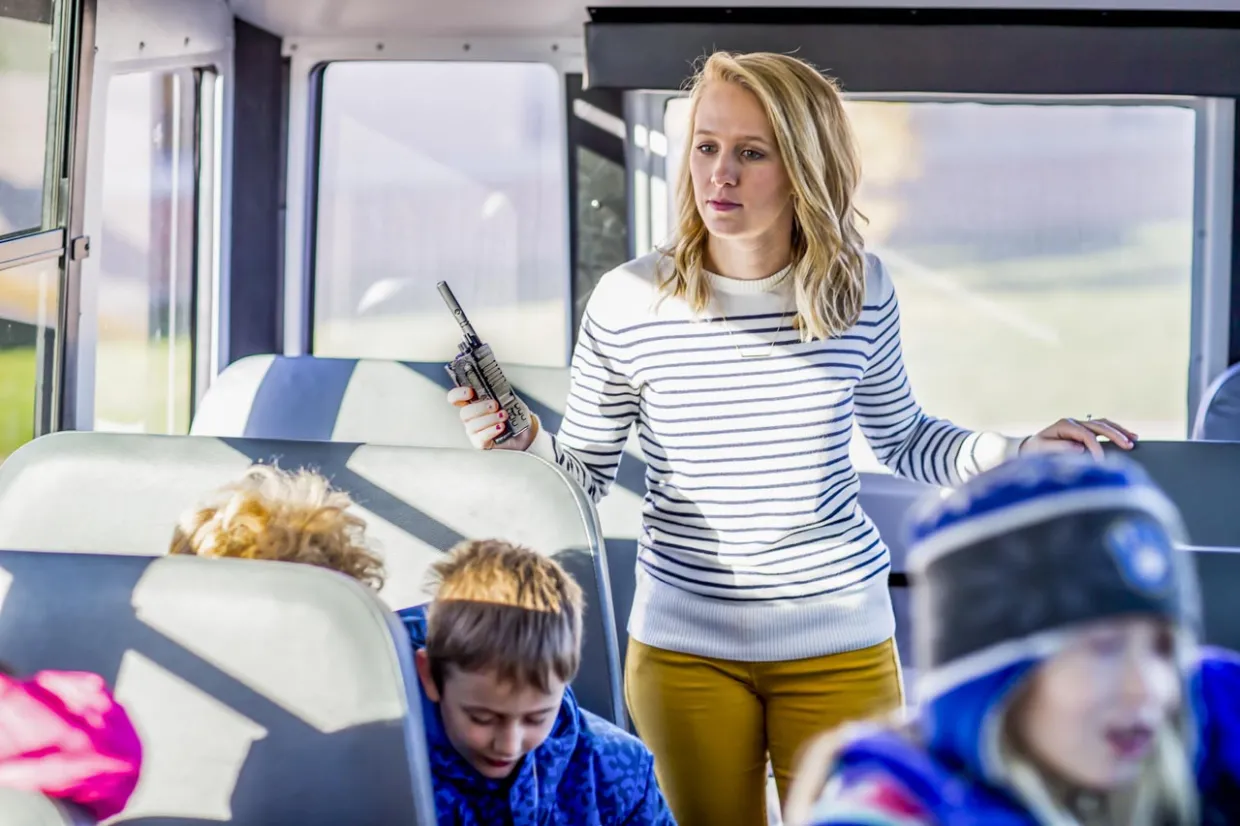
Portable Radios
Portable Two-Way Radios ensure reliable wireless communications in an emergency because they work independently of landline and cellular networks. Two-way radios can also be programmed as access control tools to lock/unlock doors and gates.
Image
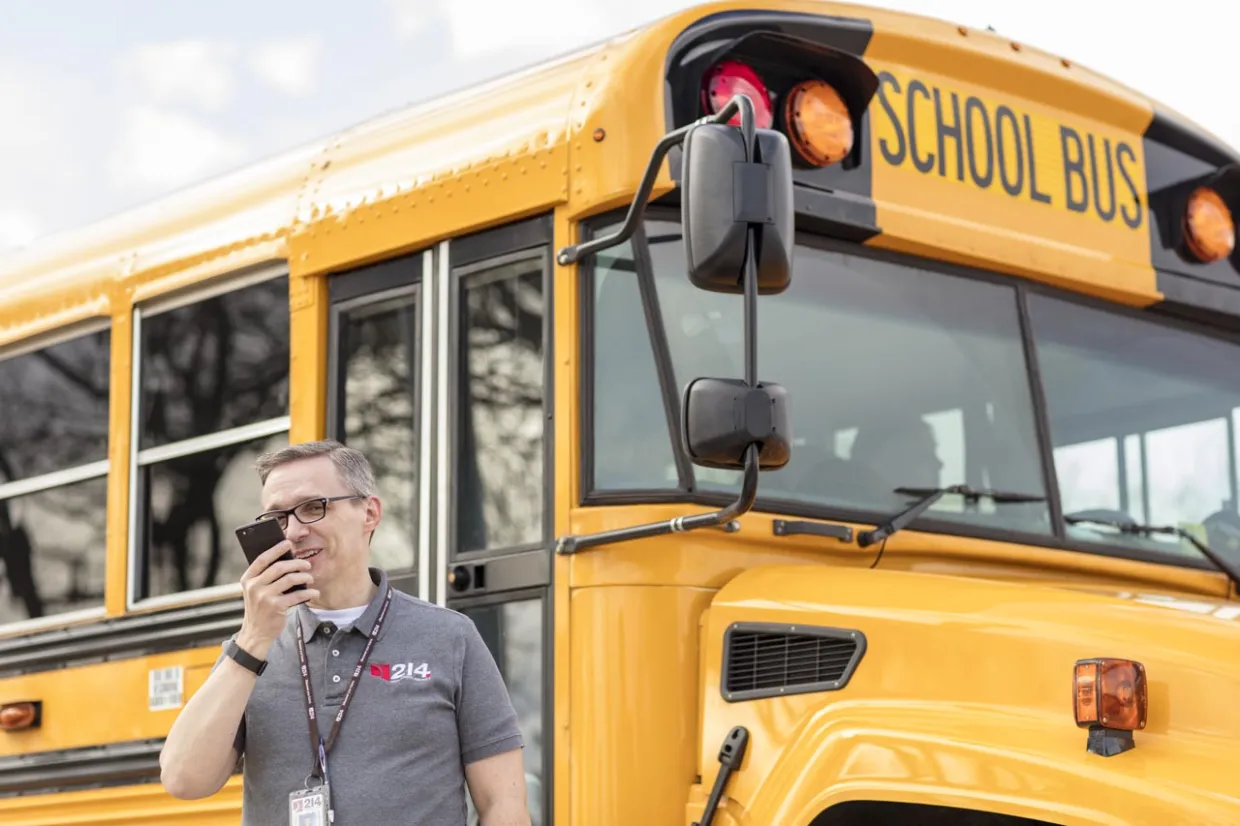
Mobile Radios
Mobile Two-Way Radios in school buses keep drivers in touch, help manage transportation routes, and can be used as base stations for administrators to coordinate operations and messaging. GPS available.
Image
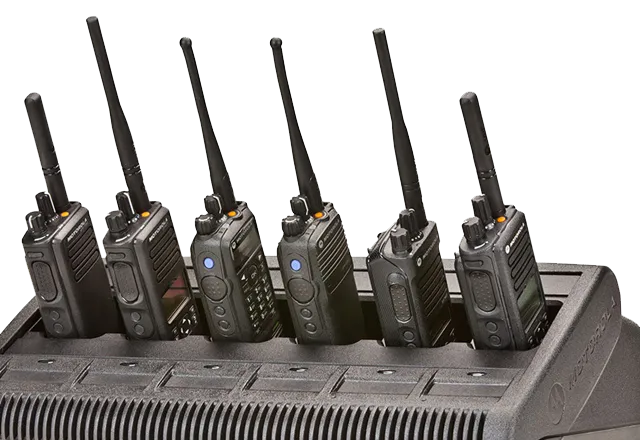
Accessories
The right two-way radio accessories ensure your team gets the best communications performance with the greatest ease-of-use.
Image
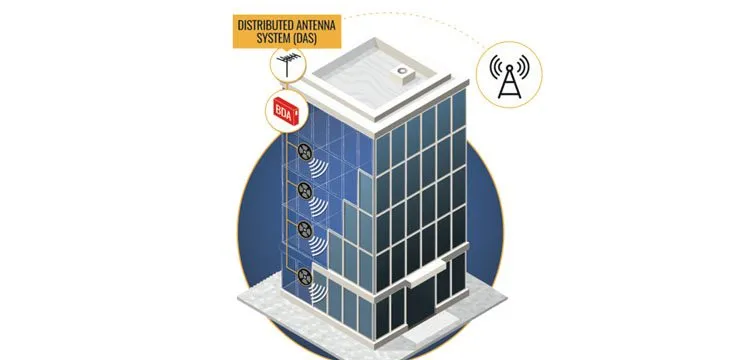
BDA-DAS Systems
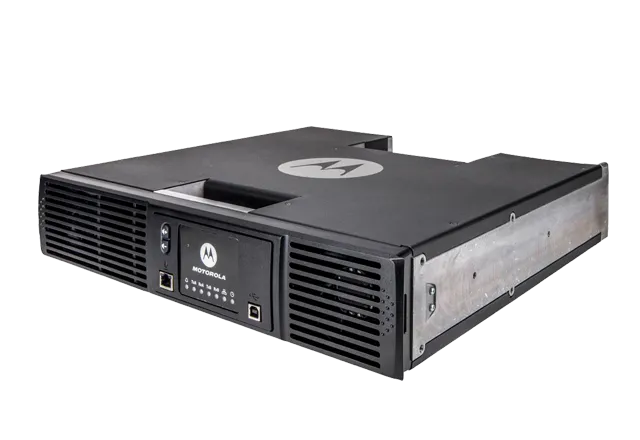
In many localities, Bi-Directional Amplifiers are mandated in structures such as schools. BDAs are used to boost two-way radio signal strength on Public Safety frequencies to ensure that first responders remain in contact with each other during an emergency.
Image
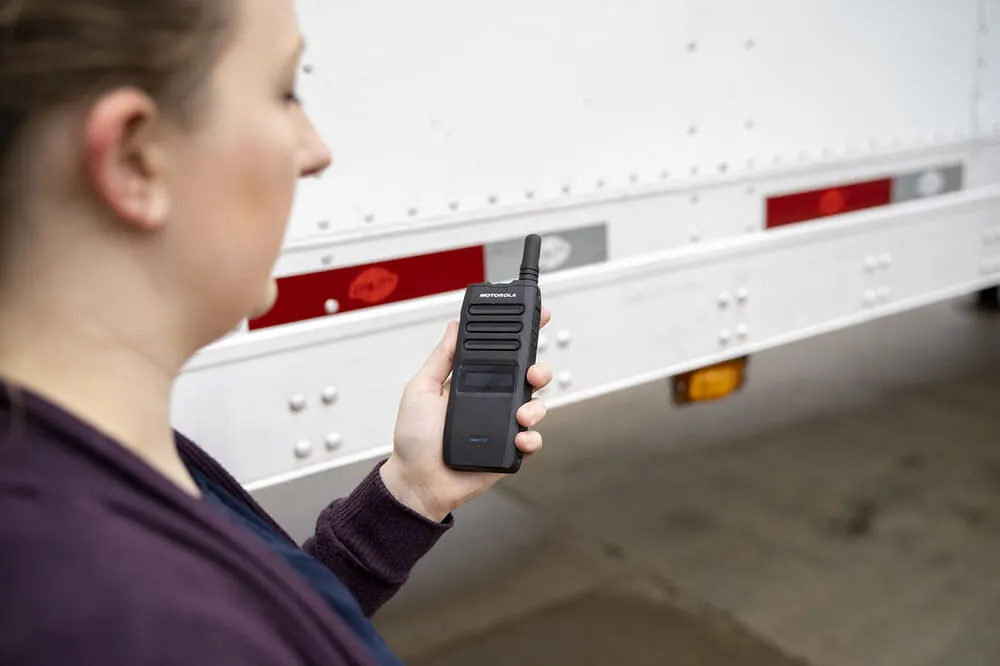
Cellular Wide-Area
Districts can communicate with different facilities using cellular push-to-talk radios that combine two-way radio functionality with nationwide cellular coverage.
Security Solutions
BearCom provides advanced, AI-driven security solutions designed to recognize threats faster and streamline footage retrieval. Our end-to-end offerings include high-resolution cameras, monitoring equipment, infrastructure, network management, storage, and access control—helping schools reduce costs while increasing situational awareness.
Image
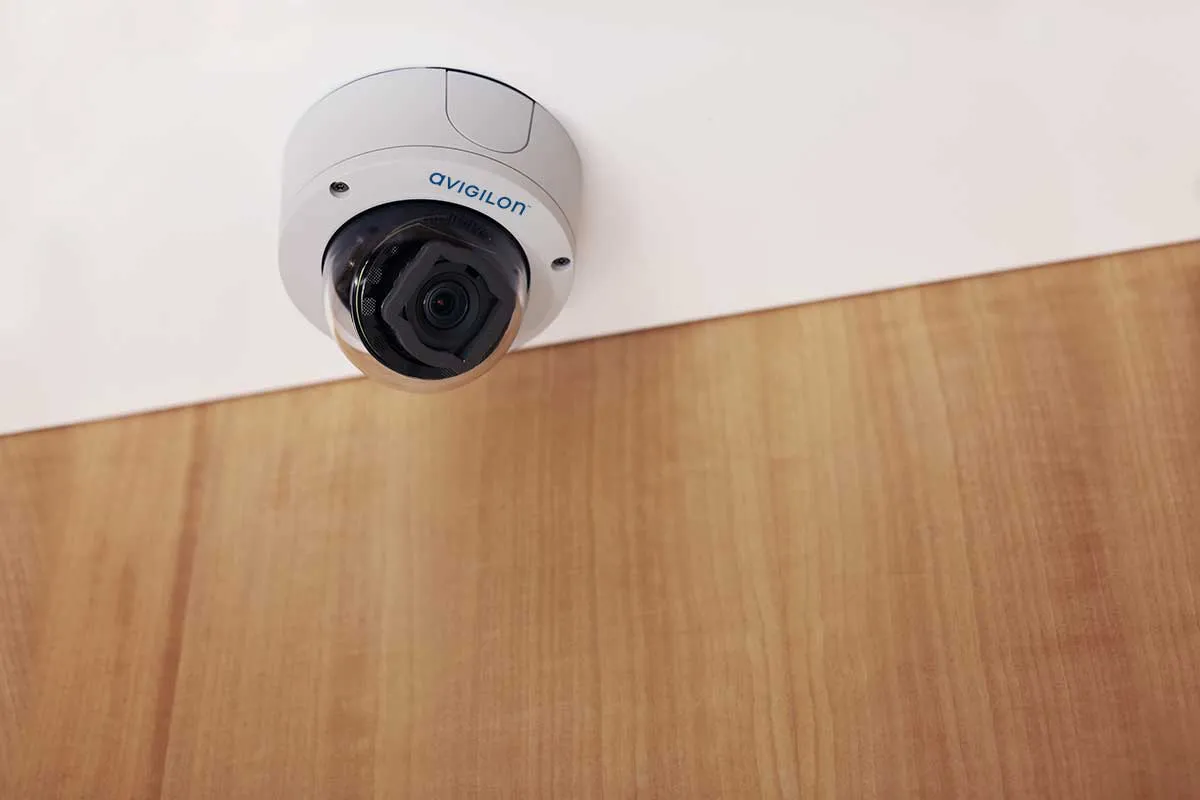
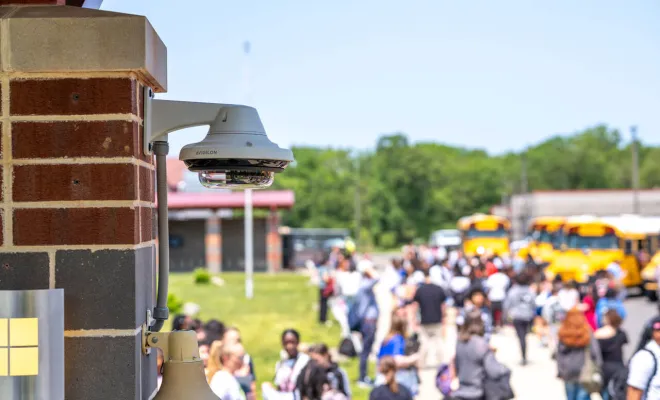
Video Surveillance and CCTV
In schools of all sizes, video surveillance is proven to deter theft and vandalism, as well as isolate incidents sooner to make your campus safer for students, staff, and visitors.
Image
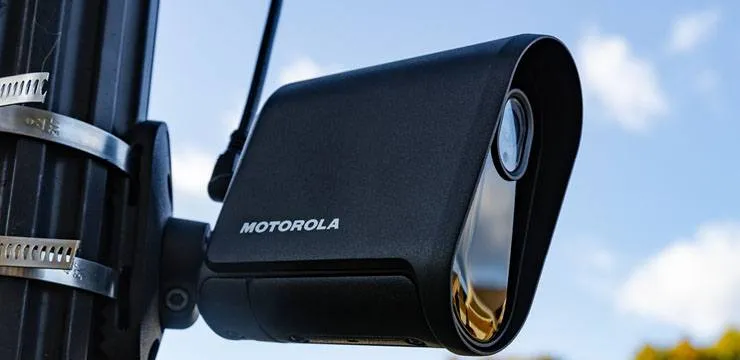
License Plate Recognition
License Plate Recognition (LPR) technology can identify threats before they enter your campus and create a virtual fence that proactively prevents crime and improves safety.
Image
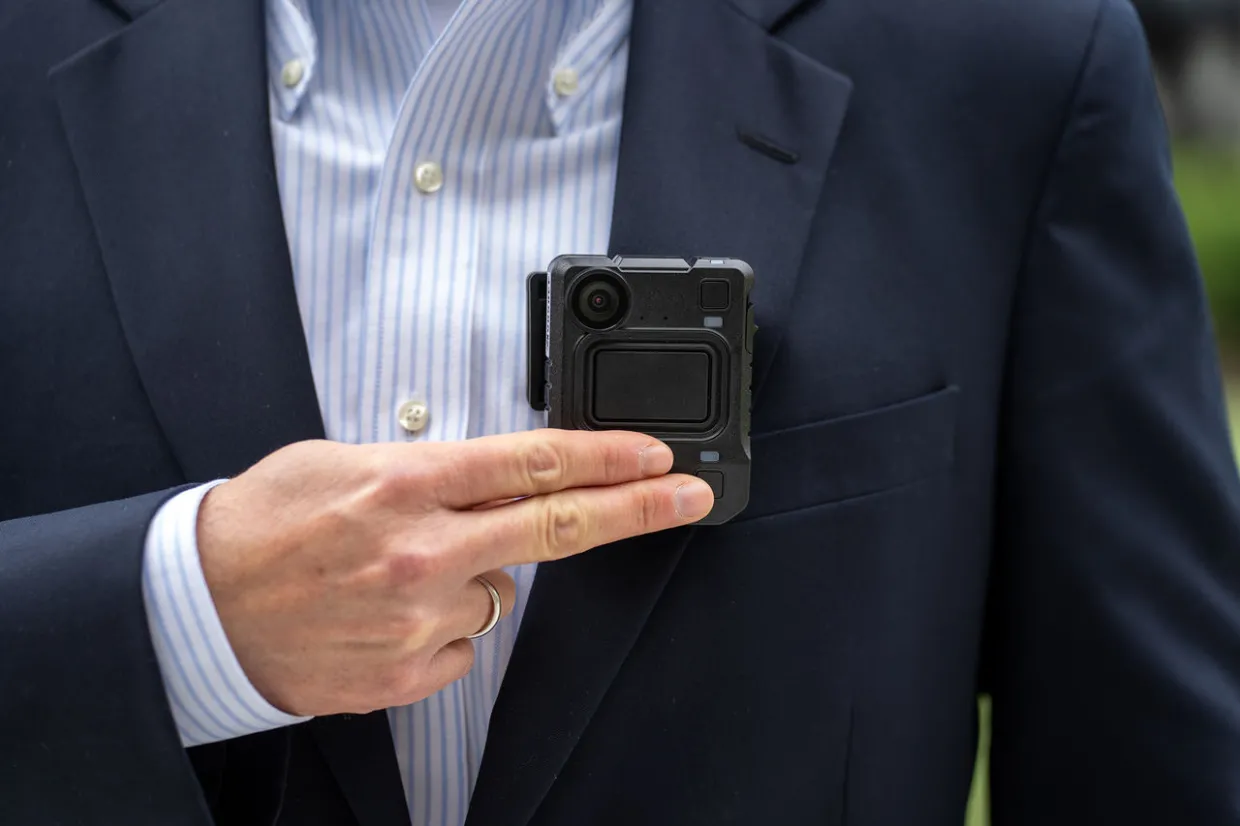
Body-Worn Cameras
Body worn cameras capture details that other security cameras might miss. Their presence alone helps deter incidents and increase accountability.
Image
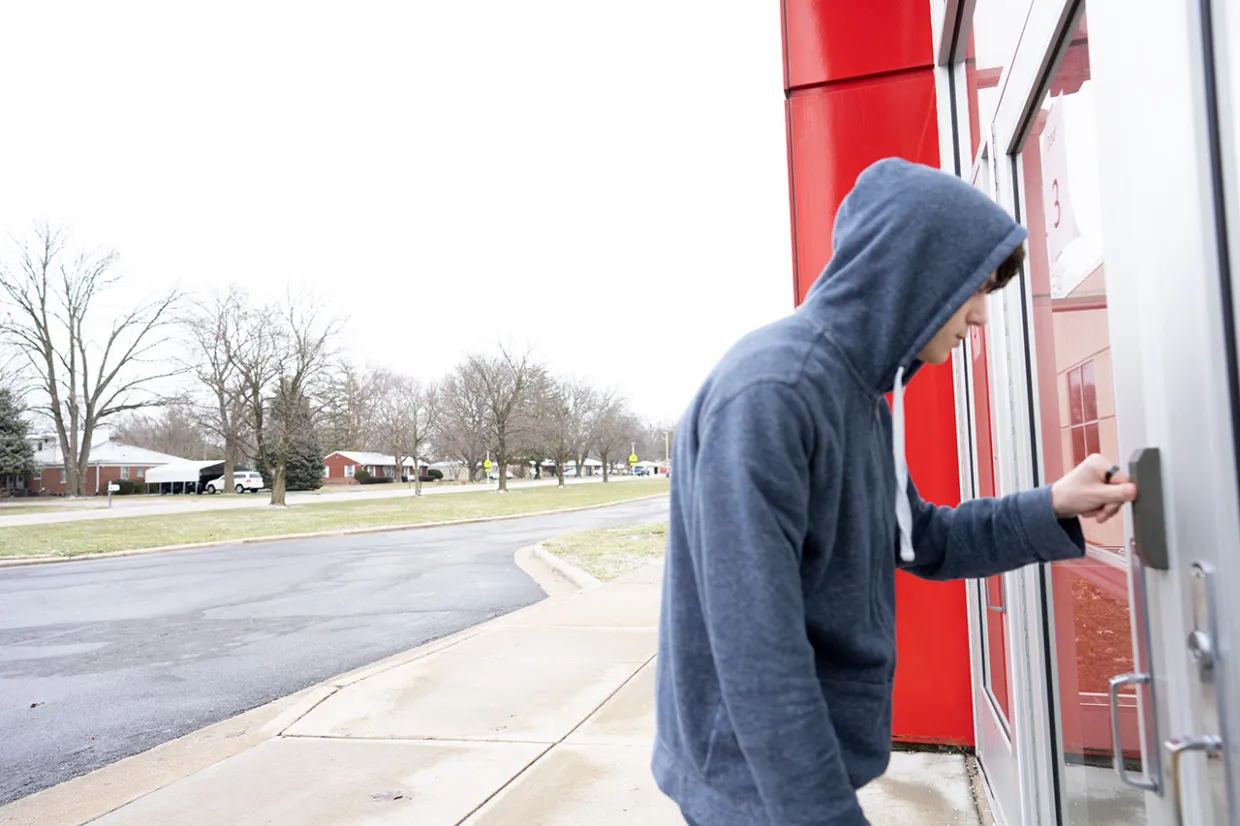
Access Control
Access control is a networked system designed to allow authorized entry to facilities while restricting unauthorized access.
Image
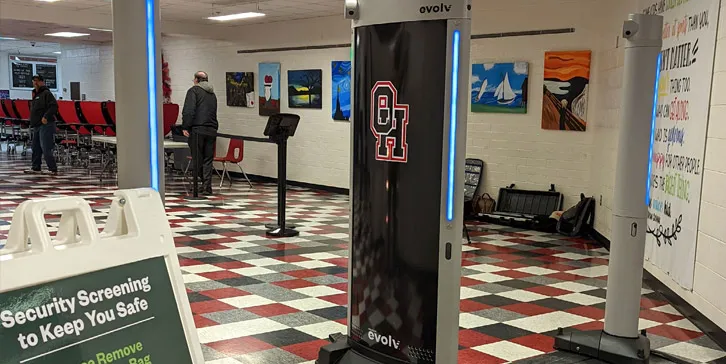
Concealed Weapons Detection
Our touchless security screening systems provide advanced security without slowing down the flow of entrance.
Enhance Operations with Integrated Data Solutions
Leverage the full potential of BearCom's data solutions to complement our voice and security services. Our sophisticated data platforms enhance connectivity and streamline operations, making your network more responsive and your workforce more efficient.
Image
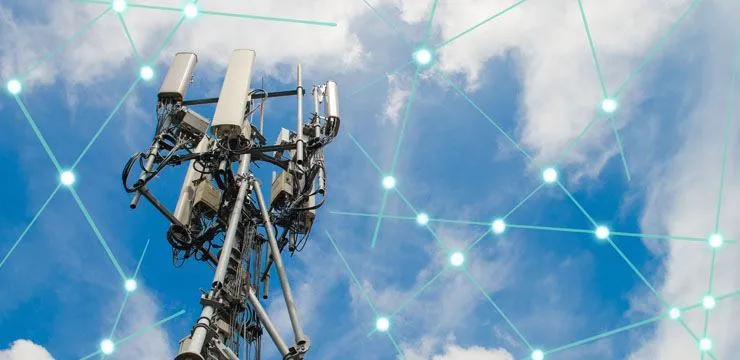
Private LTE
With Private LTE, your business can gain complete control over a network that’s tailored to current and future demands.
Image

AlwaysOn Integrated Solutions
Our proprietary "AlwaysOn" technologies showcase our commitment to pioneering new solutions that integrate seamlessly into your existing systems.
Image
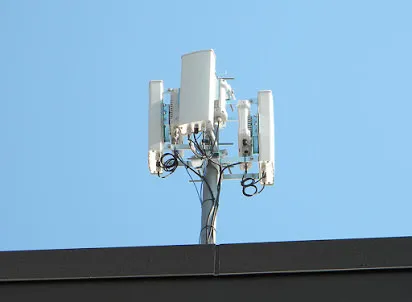
Backhaul Solutions
Our backhaul systems form the backbone of wireless communications, ensuring high-speed data transfer from end nodes to the central network without the need for ongoing carrier fees.
School emergency checklist
There is an ever-growing need for schools to have an emergency operations plan
prepared and set in place. Download our school emergency checklist
Frequently asked questions
- Are communication needs different for K-12 schools and colleges?
Yes. K-12 districts typically need to coordinate communication across schools, district offices, transportation operations, administrators, and emergency responders. Colleges and universities may operate more like small cities, with academic buildings, housing, facilities, security, transportation, athletics, and other services spread across a large campus or multiple locations.
- How do you design a two-way radio system for a school district?
Start with the size and layout of the district. BearCom can evaluate school locations, district offices, transportation hubs, coverage areas, staffing levels, departments, and the number of talk groups needed. For districts spanning multiple municipalities, interoperability with local police, fire, EMS, and other emergency responders may also be an important consideration.
- What type of two-way radio system does a school need?
It depends on the size of the campus, number of users, building construction, departments, and required coverage. A smaller school may only need a straightforward simplex digital radio system, while a large district or university may require repeaters, multiple talk groups, wide-area coverage, dispatch capabilities, location services, redundancy, or a more advanced radio system.
- What are talk groups or radio channels, and how many does a school need?
Think of talk groups as dedicated communication lanes for different teams. Instead of putting everyone on one channel, schools can create separate groups for administration, security, transportation, maintenance, athletics, or other departments. The appropriate number depends on the size of the organization and how its teams need to communicate.
- Can school radios communicate across multiple campuses?
Yes. Multi-site radio systems can extend communications beyond a single building or campus. Depending on the system design, schools can connect multiple facilities and allow administrators, security teams, transportation personnel, and other authorized users to communicate across a district or university system.
- Can school communication systems integrate with emergency responders?
Yes. Interoperability can be an important part of school emergency planning, particularly for districts that cross municipal boundaries or work with multiple public safety agencies. BearCom can help evaluate how school communications interact with police, fire, EMS, and other responding agencies.
- How can better communication improve school safety?
Reliable communication can help staff report incidents faster, coordinate an appropriate response, and provide updates as conditions change. Depending on the solution, schools can also integrate radio communications with video surveillance, access control, emergency alerts, location services, and other technologies to improve situational awareness.
- Can two-way radios integrate with video surveillance and security systems?
Yes. Modern communication and security technologies can work together. For example, video analytics, access control systems, sensors, or other security technologies can generate alerts that are delivered to radios or other devices. This helps move schools from simply recording an incident to identifying events and communicating information to the right people faster.
- What should schools consider when planning a communication or security upgrade?
Start by identifying who needs to communicate, where they need coverage, and what problems the current system is not solving. Schools should consider building and campus coverage, transportation routes, departments, emergency procedures, interoperability, number of users, security systems, and anticipated growth. Coverage testing can then help determine the appropriate system design.
- When should schools begin planning communication equipment purchases?
Planning should begin well before equipment is needed. Education organizations often work around defined fiscal calendars, board approvals, grants, and other funding requirements. Budget planning frequently takes place early in the year, while purchasing activity may increase later in the spring, summer, and early fall. Starting early provides time to assess requirements, explore funding options, test coverage, and secure necessary approvals.
- How can schools fund communication and security improvements?
Funding varies by organization and project. Potential sources can include school district budgets, capital equipment budgets, federal or state grants, public safety programs, and parent organizations such as PTAs or PTOs. Identifying potential funding sources early can make it easier to plan the appropriate solution and purchasing timeline.
- What results should schools consider when investing in communication and security technology?
Technology should support broader operational and safety goals rather than simply add more equipment. Schools may evaluate improvements in emergency response, incident reduction, unauthorized access, transportation efficiency, staff productivity, technology adoption, and student and employee safety. The goal is a safer, better-connected environment for students, faculty, staff, and visitors.
- Can schools rent two-way radios for temporary events?
Yes. Two-way radio rentals can be an excellent option when schools temporarily need additional communication capacity. Common applications include graduations, athletic events, band competitions, festivals, emergency preparedness drills, construction projects, and contractors or vendors working on campus.
- Can BearCom test radio coverage inside a school?
Yes. Coverage testing can help identify weak or unreliable communication areas before a system is designed or expanded. This is particularly important in large schools, older buildings, multi-story facilities, stadiums, and campuses where construction materials or distance can interfere with radio signals.
- Can BearCom support an entire school district rather than one campus?
Yes. BearCom can help design communication and security solutions around the entire organization, including individual schools, district offices, transportation facilities, athletic complexes, and other locations. This district-wide approach can help standardize equipment while still accounting for the different requirements of individual departments and campuses.
- Why work with BearCom on education communication and security?
School communication is about more than selecting a radio. BearCom can help evaluate coverage, system capacity, interoperability, radio programming, security integrations, installation, maintenance, rentals, and long-term support. The objective is to build a system around how the school or district actually operates, from everyday coordination to critical events.
Image
Education articles
Need help? Let's talk.
Choosing the best voice, security, and data system can feel overwhelming—but you don’t have to do it alone. BearCom’s expert consultants are here to simplify the process and tailor a solution that fits your exact needs.
Let’s talk about what your operation needs—contact us today and get expert guidance every step of the way.